Subscribe to out newsletter today to receive latest news administrate cost effective for tactical data.
2478 Street City Ohio 90255

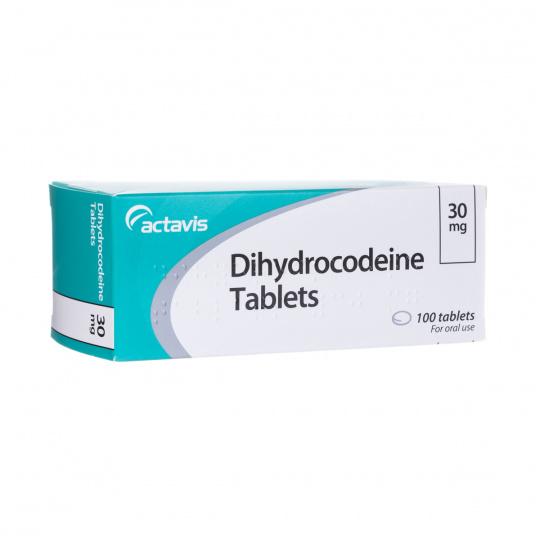
Buy dihydrocodeine online in uk is an opioid medication used to treat pain. It has a high potential for addiction and can cause withdrawal symptoms in those who suddenly stop using the drug
Availability: In Stock
Buy dihydrocodeine online in uk is an opioid medication used to treat pain. It has a high potential for addiction and can cause withdrawal symptoms in those who suddenly stop using the drug.
Buy Dihydrocodeine online in uk is an opioid pain medication available in two different formulations in the United kingdom : Trezix and Panlor. Both forms contain a combination of dihydrocodeine, acetaminophen (Tylenol) and caffeine.
Physicians rarely prescribe dihydrocodeine in the United States, but it may sound familiar because most people have heard of codeine. Dihydrocodeine can be thought of as the United Kingdom’s version of codeine. The drugs have the same potency and can be interchanged dose for dose. They also treat the same conditions of pain and coughing.
Dihydrocodeine is a combination formulation that should only be used for pain. This is because acetaminophen and caffeine are not useful for the treatment of coughing.
Like other opioids, dihydrocodeine has a high potential for misuse and addiction. Once someone has become addicted, dihydrocodeine withdrawal symptoms can occur if the person tries to stop taking the drug. This is called drug dependence. It comes as standard tablets, slow-release tablets and as a liquid that you swallow. It can also be given by an injection into the muscle or under the skin. This is usually done in hospital. Co-dydramol, Paramol, Remedeine and Remedeine Forte are brand names that contain dihydrocodeine and paracetamol.
Buy dihydrocodeine online in uk withdrawal symptoms come after addiction or dependence.
Medications like dihydrocodeine are called mu-opioid receptor agonists. They act as an “on” switch for mu-opioids receptors, which control pain and pleasure signals in our nervous system. Pain and pleasure signals are used by the brain to encourage or discourage certain behaviors. For example, touching a hot stove is painful, and the pain discourages us from doing it in the future.
Under normal biological circumstances, pleasure signals follow the pain signal to “turn off” the feeling of pain. Opioids abnormally activate pleasure signals even when the body is not intending for them to be activated. When a lot of opioid medications are in the body for a long time, the cells begin to adjust. The body learns to counter the constant pleasure signals to maintain normal functioning. Withdrawal symptoms begin to emerge.
Withdrawal symptoms do not just impact people with addiction, however. Someone taking their prescription exactly as directed can experience symptoms after taking their medication for just a few weeks.
Buy dihydrocodeine online in uk withdrawal symptoms can range from mild to severe. For example, taking it for a few weeks is very likely to induce diarrhea once the drug stops, but a person must be taking it for months or years to experience sweating and goosebumps.
The list of withdrawal symptoms includes:
Withdrawal can also lead to other conditions:
Diagnosing symptoms of dihydrocodeine withdrawal is straightforward. It is diagnosed when a person who uses the drug chronically stops usage and begins experiencing symptoms within a day or two.
Opioid withdrawal symptoms are almost always uncomfortable, but some can be life-threatening. Diarrhea, nausea and vomiting can cause dehydration, which can lead to hospitalization. Recognition of serious symptoms is important to prevent serious harm.
Major barriers to treatment of withdrawal symptoms are access to treatment and honesty with the medical provider. Someone who thinks they are experiencing symptoms should seek medical attention and should not hide their drug use. By answering questions honestly, patients can help providers to better treat the condition.
Without rehab treatment, withdrawal symptoms can last days or weeks. Admission to drug rehab can eliminate the need to enter withdrawal.
First-line treatment for opioid use disorder (OUD) is medication-assisted treatment (MAT), which can stop the symptoms. Symptomatic medications for nausea and diarrhea are usually available in rehab as well.
Drugs leave the body through the detox process. Note that withdrawal and detox are not the same things. Even after detox has occurred, withdrawal symptoms can continue for several days or weeks. Withdrawal symptoms usually happen after detox, which takes about 24 hours for dihydrocodeine.
Medical detox happens in an inpatient facility with trained medical staff. Staff will manage uncomfortable withdrawal symptoms with medication and non-medication approaches.
Outpatient detox gives patients access to medical specialists but lets them return to the comfort of their home at the end of the day. Some outpatient programs provide prescription medications while detox happens at home. Others have patients staying at the facility for most of the day with medical supervision.
Opioid withdrawal is generally not life-threatening, so detox can be done at home. The most dangerous complication of opioid withdrawal is dehydration, so someone attempting home detox needs to make sure to drink plenty of water and eat normal meals.
The Substance Abuse and Mental Health Services Administration (SAMHSA) has good resources for locating a nearby detox center. SAMHSA is a neutral, government-funded organization that helps create addiction medicine legislation and practice. SAMHSA has a search tool that can be accessed here.
There are a few options to choose from when deciding on a treatment location:
Buy dihydrocodeine online in uk can be taken during pregnancy. However, other medicines such as paracetamol may be better and it’s best to try them first.
If you take dihydrocodeine towards the end of pregnancy, your baby might have withdrawal symptoms after they’re born. If this happens, your baby may need extra time in hospital for observation.
It is important to treat pain in pregnancy. If you have severe pain, dihydrocodeine might sometimes be the best option. Your doctor can help you decide what’s right for you and your baby.
If your doctor or health visitor says your baby is healthy, you can take dihydrocodeine while breastfeeding. There may be other painkillers that are better to use while breastfeeding, but your doctor will help you decide.
It is not known how much dihydrocodeine gets into breast milk, but it is likely to be a small amount. It is better to take low doses and to only use it for a short time. This reduces the risk of your baby getting side effects.
Talk to your doctor, pharmacist, health visitor or midwife as soon as possible if you have any concerns about your baby, including if your baby:
This depends on whether you’re taking standard dihydrocodeine or slow-release tablets. Dihydrocodeine liquid takes around 30 to 60 minutes to work and standard tablets can take between 1 and a half to 2 hours to work fully.
Slow-release tablets may take a little longer to work, but will last longer.Can I drink alcohol while taking dihydrocodeine?
Drinking alcohol while you’re taking dihydrocodeine can make you feel more sleepy. It can also increase the risk of serious side effects.
It’s best to stop drinking alcohol during the first few days of treatment, or if a doctor increases your dose, until you see how dihydrocodeine affects you.
If you feel sleepy while taking dihydrocodeine, do not drink alcohol.Approved indication for dihydrocodeine is the management of moderate to moderately severe pain as well as coughing and shortness of breath. As is the case with other drugs in this group, the antitussive dose tends to be less than the analgesic dose, and dihydrocodeine is a powerful cough suppressant like all other members of the immediate codeine family (see below) and their cousins hydrocodone, oxycodone and ethylmorphine, whole opium preparations, and the strong opioid hydromorphone.For use against pain, dihydrocodeine is usually formulated as tablets or capsules containing 15–16 mg or 30–32 mg with or without other active ingredients such as aspirin, paracetamol (acetaminophen), ibuprofen, or others.
| Quantity | 100 Tablets, 200 Tablets, 300 Tablets, 400 Tablets, 500 Tablets |
|---|
Reviews
There are no reviews yet.